Gaspesian Heritage WebMagazine
Metis Lighthouse
Building the First Metis Beach Lighthouse
In 1873, R. Cameronof Lancaster,Ontario, was given the contract to build a lighthouse at Metis. Cameronhad already built several lighthouses along the St. Lawrence near the Thousand Islands. The construction cost $3518 of which the lighting and accessories accounted for $1425. The lighthouse was built of wood and was 40 feet high. The Light tower was made of iron and 7 1/2 feet in diameter.
Gesgapegiac
Communauté micmac, Gesgapegiac se situe le long de la côte sud de la Gaspésie, juste à l’est de Maria (Québec). Le nom du lieu, «Cascapédia» (comme celui de la fameuse rivière Cascapédia) vient en fait de «Gesgapegiac» ou, «dernière terre», selon la langue micmaque.
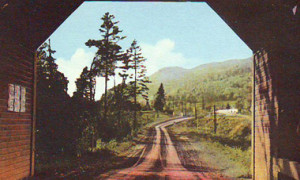
From New Carlisle to Gaspé in a Motor Car, 1909
The Gaspee Expedition and Other Matters (1758)
Gaspé, the scene of many historic events across the years, witnessed dramatic events in September 1758.
The great French fortress of Louisbourg had surrendered to the British forces in August. An expedition was then organized and dispatched to Gaspé to destroy French settlements and shipping in the Gulf of St. Lawrence. Sir Charles Hardy and Brigadier-General James Wolfe were in command of the naval and military forces respectively.
The O'Hara Family of Gaspé
The story of the life of Felix O’Hara and his family is linked so inextricably with the early settlement of Gaspé Basin and with events in the District of Gaspé that it is unusually significant. The following attempt at recall of the family story reflects various, widely scattered records. One vital source of information was not available – that of Church records – for Gaspé had no Protestant clergy until long after the death of Felix O’Hara in 1805.The visitor to modern Gaspé will find no civic memorial to Felix O’Hara.
New Relation of Gaspesia, by Father Chrestian Le Clercq (1691)
In October 1675, more than three centuries ago, Father Chrestien Le Clercq, a missionary of the Recollet or Reformed Franciscian Order of France, landed at Percé in Gaspesia.
The Landing Place of Jacques Cartier at Gaspé, 1534
Foreword:
Though the name of Frederick James Richmond continues to be recalled annually to the youth of Gaspé through the award of the Richmond scholarships, established by his brother George, the life and influence of this remarkable Gaspesian has faded with time and the passing away of those who knew him personally. Sweeping social changes have so altered the society of his native town of Gaspé that much of its earlier English heritage may soon be forgotten.
Pagination
- Page précédente
- Page 46
- Page suivante