Pagé Blacksmith Shop, Morin Heights
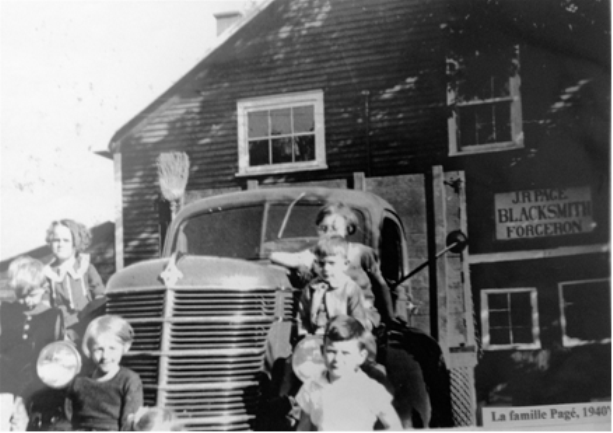 Raoul Pagé bought the blacksmith shop in Morin Heights in 1934.
The establishment was located in the rear of the still-standing house, and Raoul Pagé operated it for several decades.
Raoul Pagé bought the blacksmith shop in Morin Heights in 1934.
The establishment was located in the rear of the still-standing house, and Raoul Pagé operated it for several decades.
 The Story of Sherbrooke's Ingersoll - Rand, commonly just called the Rand, is not only the history of a prolific industry, but a glimpse into the lives of the thousands of men and women who worked there. In Sherbrooke, almost everyone knows someone who worked in the sprawling west-end shops of the Rand.
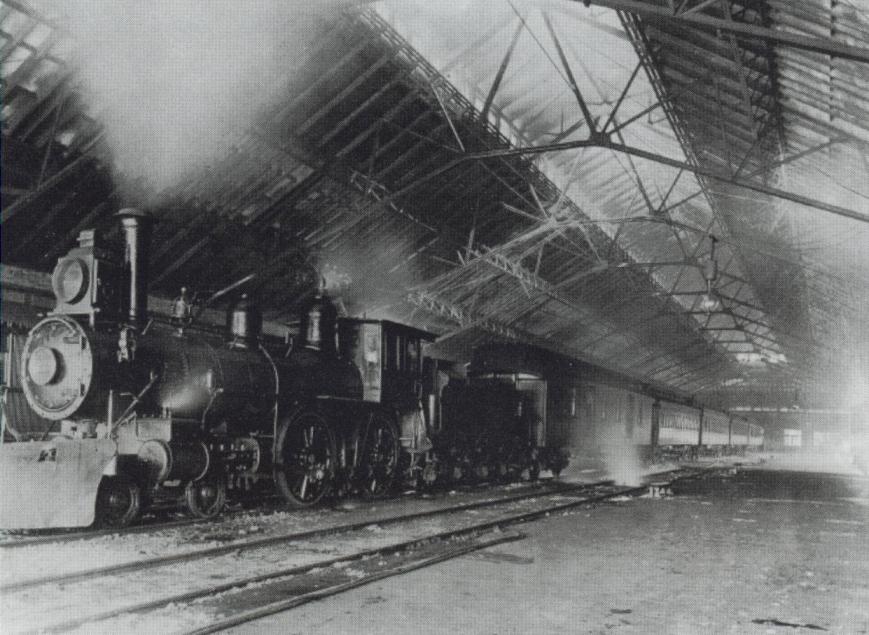 In response to a plan to connect Montreal’s airport to the downtown by diverting the existing CPR tracks around the Bell Centre and old Windsor Station to a new elevated terminus with multi-story commercial and office space, Michael Fish has publicly expressed his opinion that it would be cheaper to demolish the Bell Centre and reopen the old Windsor Station as a commuter
Construit en 1762, toujours en opération et encore mû par la seule force de l’eau, le moulin Légaré est en Amérique du Nord, le plus ancien moulin à farine n’ayant jamais cessé de fonctionner. Le moulin Légaré est aussi la plus ancienne industrie toujours en opération au Canada. Le moulin fut la propriété de la famille Légaré de 1907 à 1978, année où la ville de Saint-Eustache en fait l'acquisition. Depuis 1976, les bâtiments appartiennent à la Ville de Saint-Eustache et en 1978, l'administration du moulin fut confiée à la Corporation du moulin Légaré.
 Sherbrooke est la plus grande ville des Cantons-de-l'Est. Sa population de 150 000 personnes lui confère une position de prestige dans la région. Sherbrooke est située au confluent des rivières Saint-François et Magog. À l'époque des Abénaquis, ces deux rivières constituaient deux voies navigables importantes.
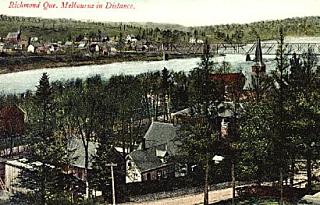 De 1860 jusqu'au début du 20e siècle, la vallée de la Saint-François représentait le principal centre d'extraction et de production d'ardoise au Canada. À l'époque, on trouvait une dizaine d'ardoisières aux alentours de Richmond, Melbourne, Kingsbury et Danville.
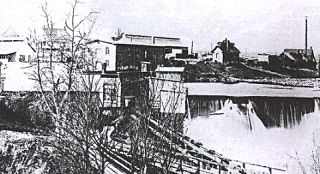 Trois composantes entrent dans la fabrication de cette substance explosive qu'est la poudre noire : le salpêtre (nitrate de potassium), le soufre et le charbon de bois (carbone). À son apogée, la poudre noire servait à deux principales fins : comme charge d'explosifs pour l'exploitation minière et comme poudre à fusil pour la chasse.
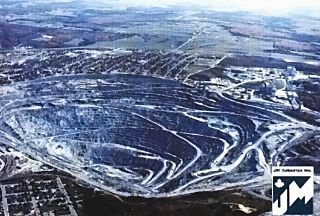 Depuis les années 1870, les habitants de la région à quelque vingt kilomètres au nord-est de Richmond avaient vu une matière étrange qui se présentait en veines dans les roches sur une colline appelée "Webb's Ledge".